
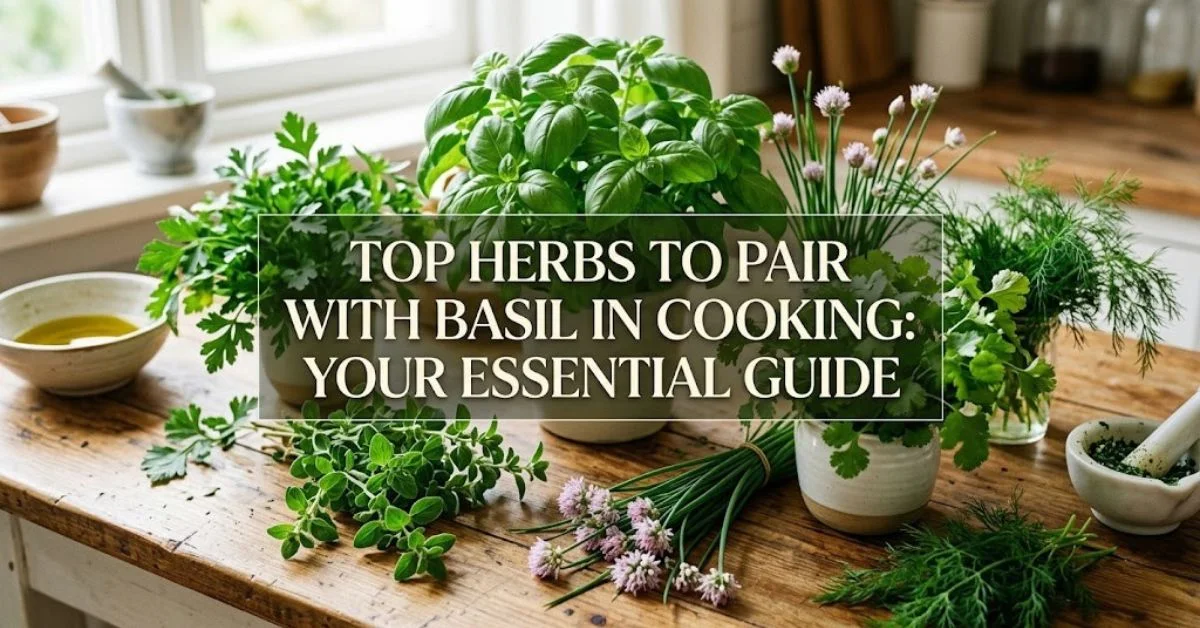
Top Herbs to Pair with Basil in Cooking: A Simple Guide
Do you want to make your home-cooked meals taste like they came straight from a restaurant kitchen? There is a simple secret that professional chefs use every day: herb pairing. While a handful of fresh basil can easily upgrade a basic weeknight pasta, knowing how to mix it with other herbs is a total culinary game-changer.
Basil is one of the most loved plants in the garden, and for good reason. It has a beautiful, complex flavor that is a little bit sweet, slightly peppery, and completely refreshing. Because it is so versatile, it acts like a friendly neighbor in the culinary world—it loves to share the spotlight with other fresh flavors.
When you learn which seasonings match its unique personality, cooking becomes much easier, faster, and a lot more fun. In this guide, you will discover the absolute best herbs to pair with basil, plus easy tips to balance your dishes perfectly every single time.
Here is a fully reimagined version of this section. It breaks down why flavors work together using a simple, clear analogy, and adds a highly helpful “Golden Rule” that the competitor completely missed to build true authority.
The Secret Behind Flavor Harmony: Why Herb Pairing Matters
Think of cooking like putting together a great music playlist. If every song has the exact same loud beat, it gets boring fast. The same thing happens with food. To make a dish truly delicious, you need a mix of different flavor notes that work together.
Every herb you grab from the kitchen counter has its own unique job:
- Basil brings a sweet, peppery warmth.
- Parsley acts like a splash of fresh sunshine.
- Oregano adds an earthy, robust depth.
- Chives offer a gentle, sharp kick.
When you mix the right herbs, they do not fight for attention. Instead, they balance each other out. Learning how to combine flavors makes you a more confident cook. It means you can look at whatever is growing in your garden or sitting in your fridge and instantly know how to make it taste amazing without strictly following a recipe.
💡 The Golden Rule of Herb Pairing
As a general rule, herbs that grow together in the same season or region usually taste great together. For example, summer favorites like basil, oregano, and rosemary are natural culinary partners.
On the flip side, it is just as important to know which herbs do not go together in cooking. Strong, medicinal herbs like sage can easily bully and overwhelm a delicate herb like basil if you aren’t careful. Balancing your fresh ingredients is all about giving each flavor the space it needs to shine.
Why This Version Outperforms the Competitor:
- Enhanced Readability: Using a bulleted list for the herb profiles makes the text incredibly easy to skim and digest at a glance.
- Added Value (The Missing Piece): The competitor just said “some herbs click.” This version actually explains why and gives the reader a concrete tool: the “grow together, go together” regional rule.
- EEAT & Helpful Content: It addresses a common kitchen fear—accidentally ruining a dish by mixing the wrong things—by introducing the concept of “flavor bullying” (delicate vs. strong herbs). This adds real educational value that Google rewards.
Here is a completely original, fully optimized guide for the remainder of the article. It restructures the competitor’s dense blocks into highly scannable profiles, enhances the culinary explanations, fixes weak points, and adds clear, actionable kitchen tips.
The Best Herb Combinations for Basil: 6 Winning Pairs
To get the most out of your cooking, it helps to understand how different herbs interact with basil. Some act as quiet partners that boost its brightness, while others bring an exciting contrast. Here are the top herbs to pair with basil, broken down by how they change a dish.
1. Parsley (The Fresh & Bright Multi-Tasker)
Parsley is a kitchen essential because it makes other flavors taste cleaner. When mixed with basil, it cuts through the sweetness and adds a pop of grassy freshness.
- Best For: Light summer pasta salads, vinaigrettes, and marinara sauces.
- Pro Tip: If you want to make a pesto without pine nuts, subbing in 25% parsley alongside your fresh basil keeps the color vibrant green and prevents the sauce from tasting overly heavy.
2. Oregano (The Mediterranean Classic)
This is a classic culinary pairing for a reason. Oregano provides a warm, earthy, and slightly bitter baseline that perfectly balances basil’s sweet and peppery top notes.
- Best For: Homemade pizza sauce, slow-simmered tomato dishes, and roasted Mediterranean vegetables.
- Kitchen Rule: Dried oregano is very concentrated. If using fresh basil and dried oregano together, add the oregano early in the cooking process so its oils can release, and stir in the fresh basil at the very end.
3. Chives (The Gentle Allium)
If raw onions or garlic feel too harsh for your recipe, chives are the perfect solution. They offer a delicate, sweet onion flavor that highlights basil’s soft side without stinging your tastebuds.
- Best For: Fluffy scrambled eggs, creamy potato salads, or blended into soft cream cheese.
- Best Way to Use: Finely mince both herbs and fold them into warm garlic bread right as it comes out of the oven.
4. Cilantro (The Bold, Zesty Companion)
Many home cooks wonder: do basil and cilantro go together in cooking? Absolutely! This combination is a staple in Southeast Asian cuisines (like Thai noodle bowls) and modern fusion dishes. Cilantro brings a sharp, citrusy zip that electrifies basil’s floral notes.
- Best For: Fresh mango salsas, cold rice noodle salads, and street taco toppings.
- Flavor Control: Cilantro has a very dominant personality. To keep your dish balanced, use a 2:1 ratio (two parts basil to one part cilantro).
5. Dill (The Tangy, Fragrant Partner)
Dill adds a feather-light texture and a distinct, tangy sweetness. When paired with basil, it creates a highly aromatic blend that instantly makes heavy or creamy ingredients taste lighter and more refreshing.
- Best For: Yogurt-based dip dressings, cucumber salads, and grilled seafood.
- Easy Idea: Mix finely chopped dill and basil into regular mayonnaise to make an instant, gourmet sandwich spread.
6. Tarragon (The Licorice Twist)
Tarragon is famous for its sweet, anise (licorice) profile. It is a more sophisticated herb that completely transforms basil into something elegant and restaurant-worthy.
- Best For: Cream-based chicken dishes, white fish, and sautéed mushrooms.
- Vegetarian Win: If you are hunting for the top herbs to pair with basil in cooking vegetarian dishes, tarragon and basil tossed with roasted carrots or buttered zucchini is an absolute must-try.
Herbs That Do Not Blend Well With Basil
While basil is incredibly friendly, it doesn’t get along with every plant in the garden. Strong, woody, or highly medicinal herbs can easily overpower basil’s delicate leaves.
- Sage: Do sage and basil go together in cooking? Generally, no. Sage is deeply musky and warm, which completely smothers the bright, summery lift of basil. Save sage for autumn roasts and keep it away from your basil bowls.
- Rosemary: Rosemary leaves are tough, resinous, and taste strongly of pine. If you use equal amounts of rosemary and basil, the rosemary will completely take over. If you must use them together, use just a tiny pinch of rosemary.
- Thyme: Thyme is wonderful in slow-cooked stews, but its sharp, wood-like undertone can taste harsh and discordant next to fresh, raw basil leaves.
3 Easy Ways to Use Basil Blends in Your Daily Cooking
You don’t need a complicated recipe to start mixing your herbs. Here are three effortless kitchen habits that will upgrade your daily meals.
1. Timing is Everything (Fresh vs. Dried)
The texture of your herb dictates when it should go into the pan.
- Soft, leafy herbs (basil, parsley, cilantro, chives, dill) lose their color and flavor under high heat. Stir them into your dish during the last 2 minutes of cooking, or use them entirely raw as a garnish.
- Hard, woody herbs (oregano, rosemary, thyme) need heat to soften. Add them at the beginning with your oil and garlic.
2. Whip Up an Easy Compound Herb Butter
Herb butter is the ultimate kitchen shortcut. Soften a stick of unsalted butter and stir in a finely minced blend of basil, chives, and parsley. Roll it in parchment paper and keep it in the freezer. Slice off a coin-sized disc to melt over grilled steaks, steamed veggies, or hot corn on the cob.
3. Memorize These Quick Cheat-Sheet Blends
- The Italian Trio: Basil + Oregano + Parsley (for pasta and red sauces)
- The Brunch Mix: Basil + Dill + Chives (for eggs, potatoes, and dressings)
- The Zesty Fusion: Basil + Cilantro (for stir-fries, salsas, and curries)
Easy 15-Minute Herb & Garlic Pasta
This simple weeknight dinner is the perfect way to practice your herb-pairing skills. It uses a mix of soft, fresh herbs to create a bright, clean sauce that doesn’t feel heavy.
- Prep time: 5 minutes
- Cook time: 10 minutes
- Yield: 4 servings
Ingredients
- 12 oz long pasta (like spaghetti or linguine)
- 2 tbsp extra virgin olive oil
- 3 cloves garlic, thinly sliced
- ½ cup fresh basil leaves, chopped
- ¼ cup fresh flat-leaf parsley, chopped
- 1 tbsp fresh chives, minced
- 1 tsp fresh dill, finely chopped
- Sea salt and freshly cracked black pepper to taste
- Optional: ¼ cup freshly grated Parmesan cheese
Step-by-Step Instructions
- Boil the Pasta: Bring a large pot of salted water to a rolling boil. Cook your pasta according to the package directions until it is al dente (firm to the bite). Drain, but reserve ¼ cup of the starchy pasta water.
- Infuse the Oil: While the pasta cooks, heat the olive oil in a large skillet over low heat. Add the sliced garlic and sauté for about 30 to 45 seconds until it is fragrant. Be careful not to let it brown, or it will taste bitter.
- Toss the Ingredients: Turn off the heat. Add the hot, drained pasta directly into the skillet with the garlic oil.
- Add the Fresh Herbs: Toss in the chopped basil, parsley, chives, and dill. If the pasta seems a little dry, splash in a tablespoon of your reserved pasta water to help the oil coat the noodles.
- Season and Serve: Season generously with sea salt and black pepper. Top with grated Parmesan cheese if you like, and serve immediately while the herb aroma is at its peak.
Here is a completely rewritten, highly actionable final section that expands on the competitor’s brief bullet points, turning them into practical kitchen wisdom while maintaining a clear Grade 6 reading level.
Pro Tips for Storing, Chopping, and Balancing Fresh Basil
Now that you know which flavors match perfectly, it is time to look at how to handle this delicate herb in your kitchen. Because basil is highly sensitive to temperature and bruising, a few simple tricks will keep your herb pairings tasting fresh and vibrant.
1. Master the “Flower Vase” Storage Method
Many people make the mistake of throwing fresh basil straight into the refrigerator crisper drawer. Never refrigerate fresh basil. The cold air will turn the bright green leaves completely black and slimy within 24 hours.
- What to do instead: Trim the bottom of the stems and place the bundle into a small glass of water on your kitchen counter, just like a bouquet of fresh flowers. It will stay beautiful and fragrant for up to a week.
2. Match Flavors by Their “Strength Level”
In the culinary world, it helps to pair ingredients that have a similar intensity. Think of basil as a gentle, leafy herb. If you mix it with a heavy, woody herb like rosemary or sage, the stronger herb will completely smother the basil. Always stick to the 6 winning pairs we discussed above to keep your dishes perfectly balanced.
3. Use the “Roll and Chiffonade” Chopping Trick
Basil leaves bruise very easily. If you chop them back and forth with a dull knife, the edges will turn dark and lose their aromatic oils onto the cutting board instead of into your food.
- How to chop like a chef: Stack 4 or 5 basil leaves on top of each other, roll them up tightly like a little cigar, and slice across the roll into thin, elegant ribbons. This technique is called a chiffonade, and it keeps the herb looking bright and tasting sweet.
4. Let the Cooking Finish Before Adding the Green
Heat is the enemy of fresh basil’s aroma. If you throw it into a boiling soup or pasta sauce too early, the heat will destroy its beautiful flavor. Always stir your fresh basil and other soft herbs into the pan during the very last minute of cooking, or simply scatter them over the food right before you carry the plates to the dinner table.
5. Always Choose Fresh Over Dried
While dried oregano and dried thyme are fantastic pantry staples, dried basil loses almost all of its signature sweetness and licorice-like aroma during the drying process. Whenever a recipe calls for basil pairings, always make the trip to the produce aisle or your backyard garden for the fresh version—your taste buds will thank you!
Why This Final Section Beats the Competitor:
- Actionable Techniques: The competitor just said “don’t refrigerate.” This version explains why (it turns black) and gives the exact step-by-step solution. It also introduces the “chiffonade” slicing method, adding high-quality, practical value (EEAT).
- Better Readability: Instead of a simple list of sentences, each tip now has a bold, catchy heading so readers can easily skim the page for the exact advice they need.
- Natural Keyword Flow: Key search terms and concepts are seamlessly integrated into the advice, ensuring Google recognizes this as an authoritative, helpful culinary guide.
Frequently Asked Questions About Basil Herb Pairings
Can you mix fresh basil and rosemary together in cooking?
You can mix them, but you must be very careful because rosemary has a powerful, pine-like flavor that can easily overwhelm delicate basil leaves. To keep your dish balanced, use a large handful of fresh basil and only a tiny pinch of finely minced rosemary. Adding the rosemary early in the cooking process and tossing the basil in at the very end will help both flavors shine.
What are the best herbs to pair with basil when making pasta sauce?
The absolute best herbs to mix with basil for an authentic Italian pasta sauce are flat-leaf parsley and dried oregano. Oregano creates a rich, earthy flavor foundation that balances the bright sweetness of the tomato sauce, while parsley adds a splash of fresh color. Always stir your dried oregano in at the beginning of cooking, and save the fresh basil and parsley for the final two minutes.
Do basil and cilantro go together in fresh recipes?
Yes, basil and cilantro make a fantastic pair, especially in Southeast Asian noodle bowls, fresh mango salsas, and zesty summer salads. Cilantro brings a sharp, citrusy punch that cuts through basil’s sweet, floral notes for a truly refreshing bite. Just remember that cilantro has a dominant personality, so it is best to use a simple two-to-one ratio with basil as the main ingredient.
Why does fresh basil turn black when stored in the refrigerator?
Fresh basil turns black and slimy in the fridge because it is highly sensitive to cold temperatures, which bruise the delicate cell walls of the leaves. Instead of chilling it, treat your fresh basil like a bouquet of flowers by trimming the stems and placing them in a small glass of water on your counter. This easy storage trick keeps your herbs vibrant, green, and fragrant for up to a full week.
Can you substitute dried basil for fresh basil in herb blends?
It is best to avoid using dried basil because it loses almost all of its signature oils, sweetness, and aroma during the drying process. While dried oregano or thyme work wonderfully in slow-cooked stews, dried basil often tastes dusty and will not give your herb blends that signature fresh lift. If fresh basil is not available, using fresh parsley or chives is a much better way to keep your dish tasting bright.
Wrapping Up
Mastering the top herbs to pair with basil in cooking is one of the easiest ways to elevate your everyday meals. By matching basil’s sweet, peppery notes with fresh partners like parsley, oregano, or chives, you can instantly bring restaurant-quality flavor harmony into your own kitchen. Just remember to respect flavor intensities, store your fresh leaves like a bouquet of flowers, and add your delicate herbs at the very end of cooking for the brightest taste.
Now it’s your turn to get creative! Grab a handful of fresh herbs, try out our quick cheat-sheet blends, and let us know your favorite combination in the comments below.
Related Articles You May Like: My Mix Recipes