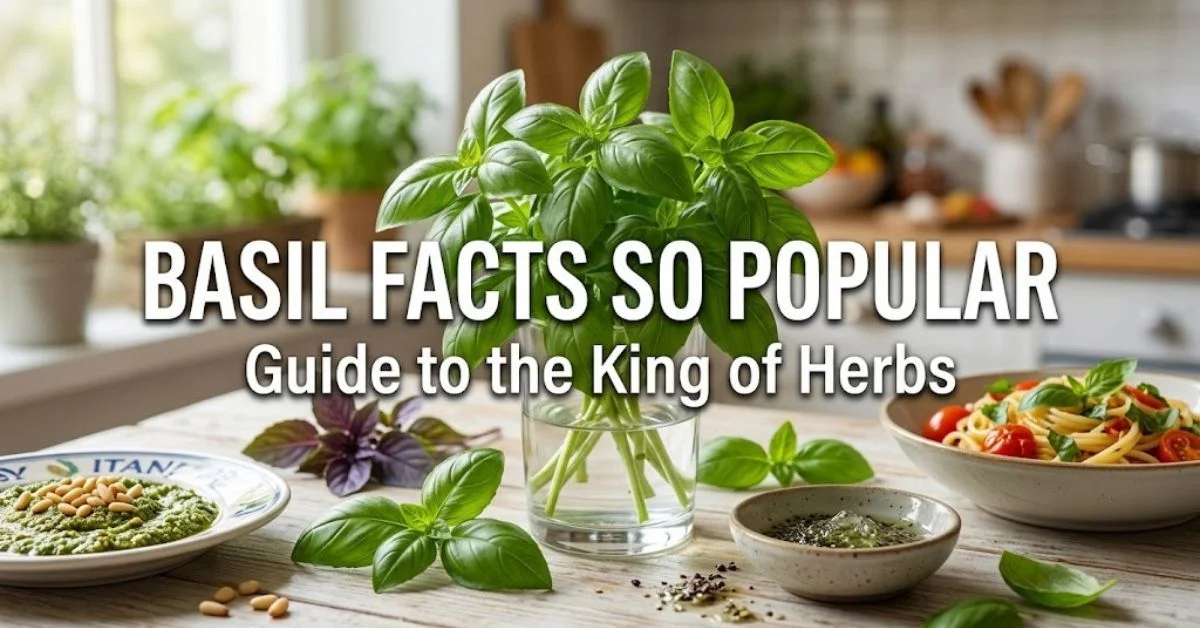
Basil Facts So Popular: A Guide to the Famous Herb
Imagine walking into a kitchen and instantly smelling a sweet, peppery scent that makes your mouth water. That is the magic of fresh basil! This little green leaf is a true superstar in the culinary world. While many people only think of it as a pretty green topping for pizza, basil is actually one of the most versatile and beloved herbs on the planet. It can instantly transform a simple plate of Italian pasta or a spicy bowl of Thai curry into a masterpiece.
But what exactly is this famous plant, and why is it found in both cozy home kitchens and five-star restaurants? In this guide, you will discover the fascinating history behind this herb, the different varieties you can cook with, and easy tips to get the most flavor out of every leaf.
What is Basil and Why is It the King of Herbs?
Did you know that when you eat basil, you are eating royalty? The word basil actually comes from an ancient Greek word, basileus, which means “king.” For hundreds of years, people have called it the “king of herbs” because of its amazing smell and taste.
Depending on where you live, you might hear people say its name differently. In the United States, most people pronounce it BAY-zuhl. But if you travel to the United Kingdom, you will hear them say BAZ-il.
This plant has deep roots all over the world, and it goes by many names across different cultures:
- Tulsi: In Hindi, a specific type of holy basil is called Tulsi. It is considered a sacred plant in many South Asian homes.
- Niazbo: In Urdu, it is commonly referred to as Niazbo or Babri, celebrated for its beautiful fragrance.
- Albahaca: In Spanish, it is known as albahaca, a key ingredient used to bring life to fresh Mediterranean dishes.
Scientifically, basil belongs to the mint family (Lamiaceae). But do not worry—it does not taste like toothpaste! Instead, it has a wonderfully complex flavor profile that blends a mild sweetness with a fresh, slightly peppery kick, plus hints of clove and anise (which tastes a bit like licorice).
Exploring the Most Popular Basil Varieties
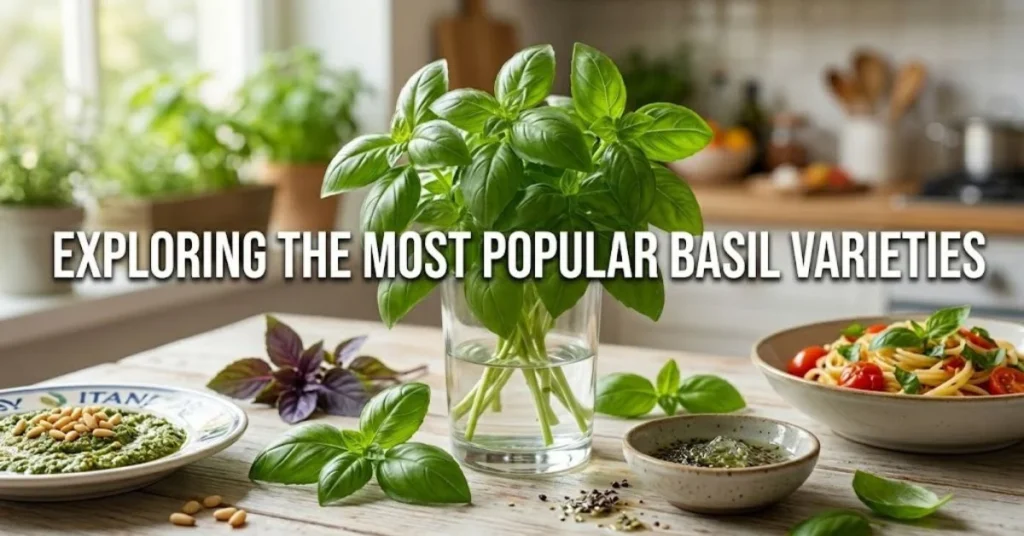
There is not just one single type of basil. In fact, there are dozens of varieties! Each type has its own distinct shape, color, and unique flavor.
To make your cooking easier, here is a quick reference guide to the five most common types you will find in recipes and gardens:
| Basil Variety | How it Tastes | Best Culinary Uses |
| Sweet Basil | Mild, bright, and slightly sweet | Perfect for classic green pesto, fresh pasta sauces, and summer salads. |
| Genovese Basil | Rich, robust, classic Italian | The ultimate choice for authentic Caprese salad and gourmet pizza toppings. |
| Thai Basil | Bold, spicy, with a strong licorice-like flavor | Holds up great under high heat in stir-fries, noodle dishes, and curries. |
| Lemon Basil | Tangy, crisp, and citrusy | Adds a bright pop to fruity desserts, iced teas, and grilled seafood. |
| Holy Basil (Tulsi) | Sharp, peppery, and deeply aromatic | Traditionally brewed into soothing herbal teas and used in ancient medicine. |
The Hidden Power of Basil Seeds
Most people only focus on the green leaves, but basil seeds are a hidden culinary gem! Often called sabja seeds, these tiny black seeds do something magical when you drop them into water. They quickly absorb liquid and swell up, creating a soft, jelly-like coating.
Because of this fun, refreshing texture, they are a star ingredient in cool summer drinks across Asia, like the famous Falooda.
Health Bonus: Just like chia seeds, basil seeds are incredibly healthy. They are packed with dietary fiber to aid digestion and are loaded with antioxidants that protect your body.
From cozy windowsill herb gardens to trendy local restaurants, basil is much more than a simple green garnish. Whether you are blending a handful of fresh leaves into a savory sauce, tossing them onto a fresh pizza, or steeping the seeds in a cold drink, basil has a unique way of making everyday food taste special.
Health Benefits of Basil: Small Leaf, Big Protection
Basil does not just make your dinner taste great—it also works behind the scenes to keep your body healthy! Think of every tiny green leaf as a mini vitamin pill. Basil is packed with essential nutrients like Vitamins A, C, and K, along with important minerals like iron, calcium, and magnesium.
One of basil’s biggest superpowers is its high amount of antioxidants. To understand how they work, imagine your body has to deal with tiny, unstable troublemakers called free radicals. Left alone, these troublemakers cause cell damage and speed up aging. Antioxidants act like a shield, neutralizing the free radicals before they can cause harm.
What is an Adaptogen? Holy Basil (Tulsi) is known as a natural adaptogen. This is a fancy word for a plant that acts like a thermostat for your stress levels. When life gets chaotic, adaptogens help your body stay calm and balanced.
Here is a quick look at how the natural oils found inside basil leaves—like eugenol and linalool—help your body feel its best every day:
- Soothes Your Tummy: Tossing fresh basil into your meals can naturally ease bloating, calm an upset stomach, and improve your digestion.
- Fights Germs: Basil contains natural antibacterial compounds that help your immune system fight off bad bacteria.
- Calms Inflammation: Its natural oils work similarly to over-the-counter painkillers to reduce swelling and inflammation in the body.
- Balances Blood Sugar: Adding basil to a balanced diet can assist your body in keeping your energy and blood sugar levels steady.
Surprising Ways to Use Basil Outside the Kitchen
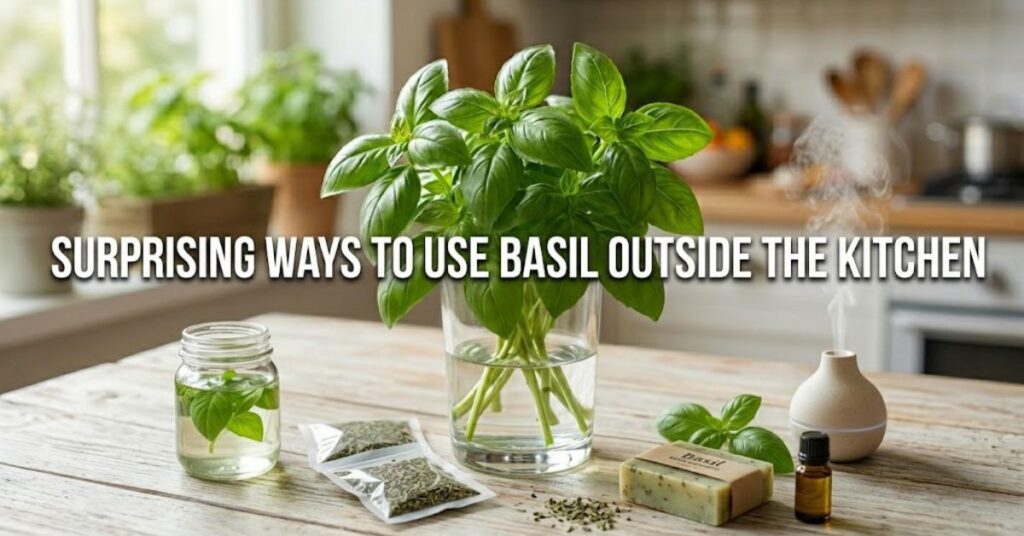
Most people only reach for basil when making pasta sauce, but this versatile herb can do so much more. Because of its incredible healing and aromatic properties, its uses stretch far beyond the kitchen counter.
1. Soothing Herbal Teas
For centuries, people have brewed Holy Basil leaves into warm, comforting teas. Drinking a cup of Tulsi tea is a popular natural remedy for fighting off winter colds, boosting morning energy, and clearing out congestion. Even just inhaling the sweet, herbal steam can help calm a stressed mind after a long day.
2. Natural Skincare and Hair Care
Beauty and wellness experts love using basil essential oil in targeted skin and hair products. Because it naturally fights bacteria, a few drops of basil extract in face washes can help clear up stubborn acne. When used in shampoos or scalp oils, it helps soothe itchy skin and promotes shiny, healthy hair.
3. Fun, Hydrating Drinks
As mentioned earlier, soaking basil seeds (sabja) turns them into soft, jelly-like pearls. Tossing these soaked pearls into your morning smoothies, fruit juices, or light desserts is an excellent way to sneak extra digestive fiber and hydration into your day.
How to Cook with Basil: Easy Recipes and Ideas?
When it comes to Mediterranean cooking, basil is a true superstar. Its bright, sweet flavor pairs beautifully with juicy tomatoes, rich olive oil, and creamy cheeses.
One of the most famous ways to use it is basil on pizza. If you toss a few fresh leaves onto a hot Margherita pizza right after it comes out of the oven, the heat releases the herb’s sweet aroma instantly.
Here are three classic ways to bring this herb into your daily meals:
- Authentic Genovese Pesto: A quick, no-cook sauce made by blending fresh basil leaves, toasted pine nuts, garlic, olive oil, and grated Parmesan cheese. Toss it with warm pasta for a fast weeknight dinner.
- Fresh Tomato Sauces: Stir chopped leaves into homemade marinara sauces or tomato soups to add a layer of natural sweetness that cuts through the acidity of the tomatoes.
- Summer Salads: Layer whole basil leaves with thick slices of ripe tomatoes and fresh mozzarella cheese. Drizzle with balsamic glaze for a classic Caprese salad.
The Golden Cooking Rule: Always add fresh basil at the very end of your cooking! High heat destroys the delicate oils inside the leaves, causing them to lose their flavor and turn a dull brown color.
Fresh Basil at Home: Selecting, Storing, and Growing
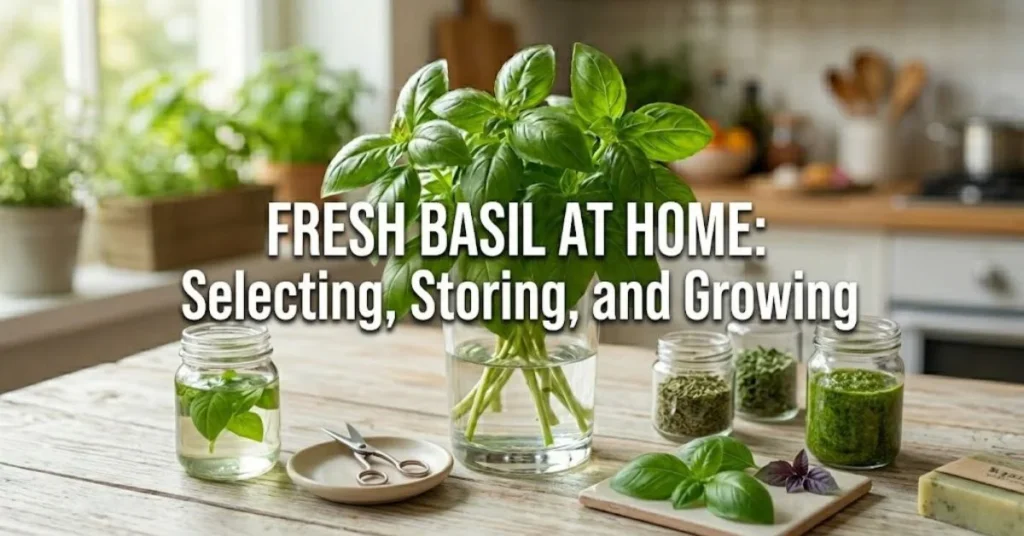
Keeping fresh basil bright, green, and perky can be a little tricky if you don’t know the secret. Most people make the mistake of tossing their fresh bunch straight into the refrigerator. Don’t do it! The cold air inside a fridge actually shocks the plant, turning the green leaves completely black in a matter of hours.
The Kitchen Counter Bouquet Trick
Instead of using the fridge, treat your fresh basil like a beautiful bouquet of flowers:
1.Trim the stems:Step 1.
Take your bunch of basil and snip a tiny bit off the bottom of the stems using sharp kitchen scissors.
2.Place in water:Step 2.
Stand the stems upright in a glass filled with an inch or two of clean, room-temperature water.
3.Cover loosely:Step 3.
Place a clear plastic bag loosely over the top of the leaves to create a mini greenhouse. Leave it right on your kitchen counter out of direct sunlight.
How to Save an Over-Harvested Plant?
If your windowsill garden is overflowing with leaves and you cannot use them fast enough, do not let them go to waste!
The absolute best way to preserve a massive harvest is to blend the leaves into a quick pesto. Pour the pesto into an empty ice cube tray and pop it into the freezer. Once frozen solid, transfer the green cubes into a freezer bag. Whenever you are making a winter soup or a quick pasta dish, just drop a frozen pesto cube directly into the pot for an instant burst of summer flavor.
Growing your own basil at home is incredibly rewarding because the plant is a rapid grower. It thrives in warm weather, loves soaking up at least six hours of sunlight a day, and prefers soil that drains easily so its roots don’t get soggy.
To keep your plant growing bushy and producing new leaves all summer long, make sure to regularly pinch off any small flower buds that start to appear at the top of the stems.
Here is the fully rewritten final segment of your guide, covering growing tips, cultural history, and modern uses. It maintains a clean, engaging Grade 6 reading level while packing in authentic culinary expertise, clearing up the confusing “annual vs. perennial” question, and structuring the trivia perfectly for skimmers.
Growing and Buying Basil: Tips for Home Cooks
Basil is one of the friendliest plants for beginner gardeners. It doesn’t ask for much—just plenty of warm sunshine and a little water. If you want a thriving windowsill plant, place it where it can catch at least six hours of sunlight a day.
The biggest secret to growing a big, bushy basil plant is frequent harvesting. Every time you pinch off the top leaves to make dinner, the plant splits its stem and grows back twice as thick.
Does Basil Grow Back Every Year?
The short answer is no, not in most places. Basil is an annual plant. This means its natural life cycle lasts for only one growing season. Once winter frosts arrive, the outdoor plant will naturally die off.
However, you can easily keep the basil magic going year-round with these options:
- The Tropical Exception: If you live in an environment that stays hot and tropical all year long without frost, basil can survive through the winter.
- Indoor Hydroponics: You can grow fresh basil inside your warm kitchen all winter long using small indoor pots or water-based hydroponic kits.
- Propagating Cuttings: You don’t always need seeds! You can snip a healthy stem from an existing plant, sit it in a glass of water on your counter until it grows roots, and pot it to start a brand-new clone.
How to Choose the Best Basil at the Grocery Store?
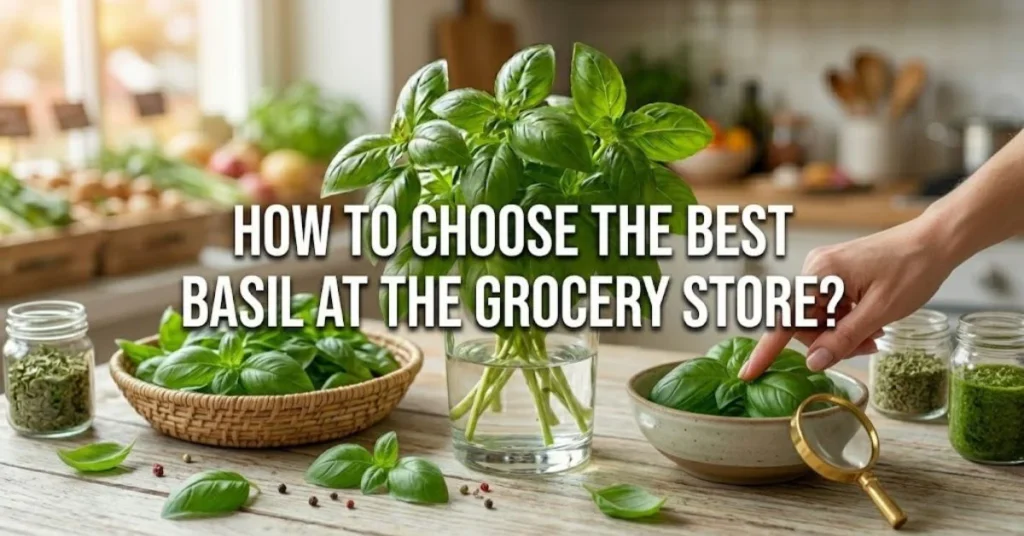
When you are browsing the grocery store or local farmer’s market, use your senses to pick the best bunch:
| What to Look For (The Good) | What to Avoid (The Bad) |
| Bright, uniform green leaves that look crisp. | Dark black spots, yellowing edges, or wilting leaves. |
| A strong, sweet, peppery perfume when you gently rub a leaf. | Slimy or mushy stems, which mean the bunch is starting to rot. |
Why is Basil Considered a Holy Plant?
Basil’s history stretches far beyond pizza and pasta. For thousands of years, civilizations across the globe have treated this herb with immense spiritual respect.
                  🌿 THE GLOBAL MEANINGS OF BASIL 🌿
┌──────────────────────────┬──────────────────────────┬──────────────────────────┐
│          INDIA           │      ANCIENT GREECE      │          ITALY           │
├──────────────────────────┼──────────────────────────┼──────────────────────────┤
│ Known as Tulsi, it represents │ A powerful symbol of love│ Used as a romantic token.│
│ purity and protection. Placed │ and fertility. Believed  │ Giving a potted basil    │
│ in courtyards to bring   │ to bring good fortune to │ plant to someone was a   │
│ peace to the household.   │ households.              │ sign of true affection.  │
└──────────────────────────┴──────────────────────────┴──────────────────────────┘
From Pop Culture to Fine Dining Restaurants
If you look up menus in your neighborhood, you will find basil starring in far more than just basic Italian cooking. Modern chefs love pushing the boundaries of what this herb can do by playing with its unique blend of sweetness and spice.
In upscale restaurants, you will often find basil popping up in surprising places:
- Herbal Desserts: Chefs infuse the herb into refreshing lemon-basil sorbets, gourmet strawberry-basil ice creams, and fruit tarts.
- Aromatic Finishing Touches: High-end kitchens use vibrant green basil oils, light basil foams, and whipped basil-infused butter to elevate grilled meats and hot soups.
- Craft Beverages: Muddled basil leaves are a favorite choice for adding a clean, garden-fresh flavor to specialty mocktails and fizzy lemonades.
Even pop culture has given the herb a nod! In the popular indie video game Omori, a major, flower-loving character is named Basil—bringing a completely different kind of fame to this historic green leaf.
Here is a high-quality, SEO-optimized FAQ section designed to target featured snippets and answer the most common real-world user queries about basil.
Frequently Asked Questions About Basil
Why is basil called the king of herbs?
The name basil comes from the ancient Greek word basileus, which translates to “king.” For centuries, it has held this royal title because of its powerful sweet aroma, incredible versatility in recipes, and deeply respected role in global cultures and medicine. Today, it remains a crowning ingredient in both home kitchens and high-end restaurants worldwide.
Does basil grow back every single year?
No, basil is technically a summer annual plant, which means its natural life cycle lasts for only one growing season. Outdoor basil plants will naturally wither and die when the cold winter frost hits your garden. However, you can easily enjoy fresh basil all year long by growing the herb indoors in small pots or using water-based hydroponic kits.
Can you store fresh basil in the refrigerator?
You should never store fresh basil bunches inside a refrigerator because cold air shocks the delicate leaves and turns them completely black. Instead, trim the bottom of the stems and place the herb upright in a glass of room-temperature water on your kitchen counter. Covering the leaves loosely with a plastic bag creates a mini greenhouse that keeps them fresh for days.
What is the difference between sweet basil and Thai basil?
Sweet basil has a bright, mild flavor with hints of sweetness and cloves, making it the perfect choice for Italian favorites like fresh pesto and Caprese salads. Thai basil features narrower purple stems and a sturdy leaf that tastes strongly of spicy anise or licorice. Because Thai basil holds its flavor under high heat, it is the go-to choice for intense Asian stir-fries and curries.
How do you keep a basil plant from getting flower buds?
To stop your basil plant from flowering, you need to regularly pinch or snip off the tiny buds as soon as they appear at the very top of the stems. If you let the flowers grow, the plant shifts its energy away from growing leaves, which makes the remaining basil taste bitter. Frequent harvesting encourages the plant to branch out, creating a bushier shape with sweeter leaves.
Are basil seeds safe to eat and healthy for you?
Yes, basil seeds—often called sabja seeds—are completely safe to eat and offer incredible health benefits similar to chia seeds. When you soak these tiny black seeds in water, they quickly swell up into soft, jelly-like pearls that are excellent for digestion and hydration. They are packed with dietary fiber and powerful antioxidants, making them a fantastic addition to cold summer drinks and morning smoothies.
Final Thought
From its royal roots in ancient history to its starring role on modern restaurant menus, it is easy to see why basil facts are so popular with food lovers everywhere. This versatile little green leaf does so much more than just sit on your plate as a pretty garnish. Whether you are using sweet Genovese leaves to blend a fresh batch of Italian pesto, brewing a warm cup of soothing Tulsi tea, or using the tiny seeds to add a healthy fiber boost to your favorite summer smoothies, basil has a unique way of making everyday meals feel truly special.
Are you ready to bring the magic of the king of herbs into your own kitchen? Pick up a fresh bundle at your local market today, give our kitchen counter storage trick a try, and start experimenting with its incredible, bright flavors in your next home-cooked dinner!
Related Articles You May Like: My Mix Recipes