

Hydration and Weight Loss: Guide to the Science
Have you ever heard the claim that drinking more water can magically melt away body fat? It sounds like the ultimate lazy fitness hack. But if you look closely at the science, the truth is a little different—and honestly, much more interesting.
Water does not actually dissolve or burn fat cells on its own. However, staying properly hydrated is like putting high-quality oil in a machine. It keeps your metabolism running smoothly, gives you the energy to stay active, and helps you make smarter food choices.
Let’s dive into the real, science-backed connection between hydration and your health goals, and explore how simple daily choices can make a massive difference.
Key Takeaways: The Real Impact of Staying Hydrated
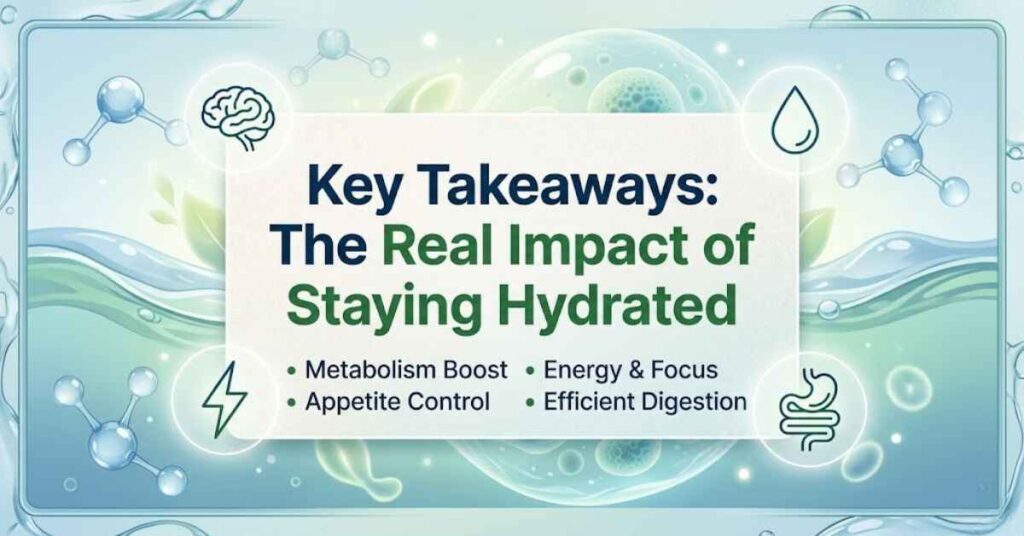
To keep your health journey simple, here are the most important facts to remember about water and your body:
- It Cuts Out Hidden Calories: Choosing water instead of sodas or sweet juices is one of the easiest ways to drop extra calories without feeling hungry.
- It Helps Manage Portions: Drinking a glass of water shortly before a meal helps stretch your stomach naturally, making it easier to notice when you are comfortably full.
- It Powers Your Workouts: Being properly hydrated keeps your muscles working smoothly, helps your body recover faster after exercise, and keeps your focus sharp.
- It Prevents Fake Hunger: When you don’t drink enough water, your body can mistake dehydration for a food craving, leading to unnecessary snacking.
- Food Counts Too: You don’t have to get all your fluid from a glass. Moisture-rich fruits, vegetables, and warm broths are excellent sources of daily hydration.
- Balance Over Volume: Drinking too much plain water can actually wash away essential nutrients. Keeping your minerals in balance is just as important as the total amount you drink.
- Consistency Wins: There is no quick shortcut or secret water trick. The real benefits come from building steady, healthy habits every single day.
Separating Fact from Fiction: What the Science Actually Shows

When you look at health blogs online, it is easy to get confused by big claims. Let’s look closely at what medical experts and clinical data actually back up versus the common myths you should ignore.
| What the Evidence Supports | What the Evidence Doesn’t Support |
| Water-rich foods count: Eating juicy foods like cucumbers and berries contributes a massive amount of fluid to your daily goals, according to Harvard Health. | No food burns fat alone: Eating these items will not cause weight loss on its own if your overall diet is out of balance. |
| Minerals matter: Your body needs a steady balance of minerals (electrolytes) to pull water into your cells effectively, as noted by the Cleveland Clinic. | Supplements aren’t fat-burners: Taking extra mineral supplements won’t speed up weight loss unless a doctor prescribed them for a specific deficiency. |
| Energy and recovery: Staying hydrated keeps your muscles fueled and protects your body during hot weather or intense workouts, according to the Mayo Clinic. | Water isn’t a metabolism booster: Chugging gallons of water will not dramatically spike your calorie burn or fix a sluggish metabolism. |
The Bottom Line: Water is an essential tool that helps your body operate at peak performance. When your body runs efficiently, managing your weight becomes a much smoother, more natural process.
How Hydration Can Support Your Weight Management Journey
It is important to be direct: drinking water does not directly cause weight loss, and it won’t melt away fat cells overnight. However, think of hydration as the ultimate support system. When your body is fully hydrated, it regulates your appetite better, keeps your energy high for physical movement, and processes food with ease.
While these benefits might seem small on their own, together they build a solid foundation that makes sticking to healthy habits much easier over time.
1. The Ultimate Beverage Swap
One of the most powerful habits you can build is replacing sugary drinks with clean, plain water. According to data from the CDC (Centers for Disease Control and Prevention), water is entirely calorie-free and helps drastically lower your daily sugar intake when used to replace sodas, sweet juices, or iced coffees.
This simple adjustment lets you cut out hundreds of hidden calories a week without ever feeling like you are putting yourself on a restrictive diet. It is a stress-free, steady win for your health.
2. Tuning Into True Fullness Signals
Hydration acts as a natural pause button for your appetite. Research highlighted by Harvard Health shows that enjoying a glass of water shortly before a meal can gently increase your sense of fullness.
While this isn’t a magical weight-loss trick for everyone, it helps you slow down. It allows you to check in with your body to see if you are genuinely hungry, or if your brain was simply misinterpreting a thirst signal for a food craving.
3. Boosting Vitality and Physical Activity
Have you ever felt completely wiped out by mid-afternoon? Even minor dehydration can trigger a major crash in your focus and stamina. As the experts at Nutrition.gov point out, fluid is necessary to transport nutrients throughout your body, control your internal temperature, and keep your muscles firing correctly.
When you maintain steady hydration throughout the day, you have the physical and mental energy needed to stay active—whether that means hitting the gym, going for a brisk walk, or simply staying productive.
4. Maximizing Digestive Efficiency
To get the most out of the healthy foods you eat, your digestive tract needs plenty of fluid. Water is the medium your body uses to break down meals, absorb essential vitamins and minerals, and prevent uncomfortable bloating or constipation.
The Mayo Clinic notes that being properly hydrated ensures your cells receive the nutrients they need to keep you feeling satisfied and nourished. When your stomach feels comfortable and your digestion is working smoothly, it is much easier to stay consistent with your wellness goals.
When “More” Isn’t Better: The Importance of Fluid Balance
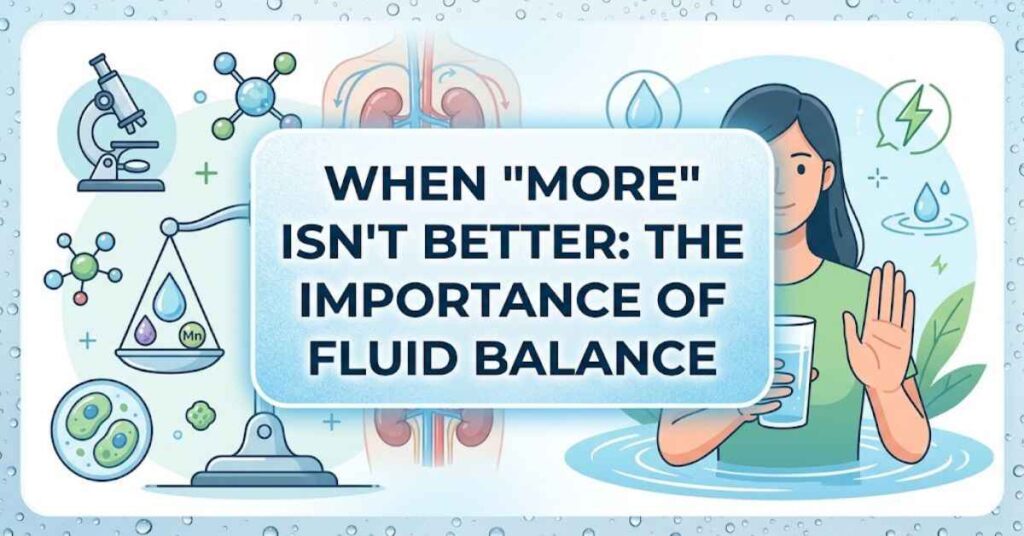
While getting enough fluid is vital, chugging water endlessly can actually backfire. If you drink massive amounts of plain water without keeping an eye on your minerals, you can accidentally disrupt your body’s natural chemistry.
Understanding Electrolytes
Your cells rely on minerals called electrolytes—specifically sodium and potassium—to manage how water moves in and out of your tissue. These minerals are what keep your muscles moving and your nervous system signaling correctly.
A Note on Balance: If you drink forced amounts of water, especially during hot weather or intense sweaty workouts, you risk diluting these essential minerals. Instead of hyper-focusing on a massive daily gallon goal, aim for steady, comfortable sips throughout the day. Listen to your body, and don’t forget that a touch of mineral-rich pink salt or an herbal infusion can help keep those minerals perfectly balanced.
The Bottom Line
At the end of the day, water is a tool for efficiency, not a shortcut for fat loss. By choosing water over sugary options, recognizing your body’s true thirst cues, and respecting your internal mineral balance, you gain more energy and comfort. Consistency is the true key to long-term success, and proper hydration makes staying consistent feel effortless.
Here is a completely fresh, engaging rewrite for your final section. This version improves readability, uses clear formatting for practical tips, and deepens the explanation of hydration signs to make it incredibly helpful for your readers.
Finding Your Flow: How Much Water Do You Actually Need?
There is no single magic number when it comes to daily hydration. Your fluid needs are completely unique and change based on your age, body size, activity level, and the climate you live in.
While the traditional “eight glasses a day” rule is a great memory tool, health experts now agree that a rigid formula isn’t the best approach. Instead, the smartest strategy is to tune into your body’s natural signals and let your thirst lead the way.
As a general baseline, the National Academies of Sciences, Engineering, and Medicine suggest that average daily fluid intakes are:
- For Men: About 13 cups (roughly 3 liters) of total fluid.
- For Women: About 9 cups (roughly 2 liters) of total fluid.
Keep in mind that these are flexible benchmarks, not strict rules you must hit perfectly every single day.
A Quick Way to Personalize Your Daily Target
If you want a simple starting point based on your specific body size, try the Half-Weight Rule. Take your current body weight in pounds, divide that number in half, and aim for that many ounces of water per day.
Example: If you weigh 160 pounds, your baseline goal would be roughly 80 ounces (about 2.4 liters) of fluid daily.
Remember, you don’t have to drink all of this from a water bottle! Roughly 20% of your daily hydration naturally comes from the foods you eat, such as crisp cucumbers, juicy berries, nourishing soups, and herbal infusions.
Red Flags: Signs Your Body is Running Low on Fluids
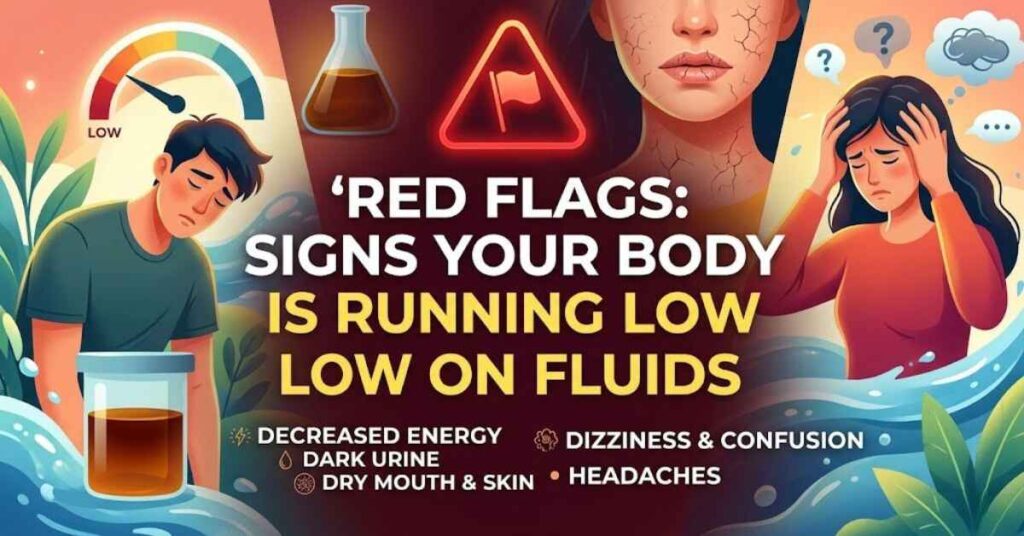
Your body is excellent at communicating its needs. When your hydration levels start to drop, it will send out clear warning signs.
Instead of waiting until you are completely parched, keep an eye out for these subtle indicators of mild dehydration:
- Darker Urine: This is the easiest visual check. Ideal hydration looks like a pale, translucent yellow (similar to lemonade). If it looks dark like apple juice, it is time to refill your glass.
- Dryness: Feeling a sticky sensation in your mouth, chapped lips, or unusually dry skin.
- The Afternoon Fog: Experiencing sudden brain fog, low focus, or a mild, throbbing headache.
- False Hunger: Feeling unexpected sugar or snack cravings shortly after eating a full meal.
If you notice these signs, don’t try to fix it by chugging an entire gallon of water at once. It is much gentler and more effective to rehydrate slowly, taking steady sips over the next few hours.
Easy, Stress-Free Habits to Stay Hydrated
You don’t need a complicated tracking app to stay on top of your fluids. Building small, natural anchors into your daily routine is the easiest way to find your rhythm:
- The Morning Ritual: Drink a refreshing glass of water right when you wake up to rehydrate after a long night of sleep.
- Mealtime Sips: Keep a glass of water on the table during meals to assist your digestion naturally.
- Pre- and Post-Workout Care: Drink a small glass of water about 30 minutes before you exercise, and sip steadily afterward to replace what you lost through sweat.
- Elevate the Flavor: If plain water feels boring, upgrade it naturally. Drop in fresh citrus slices, a few crushed basil leaves, or enjoy a soothing cup of lemon balm tea in the evening.
Summary
Hydration is a deeply personal practice, not a mathematical equation. The absolute best way to measure your success is by observing how you feel. When you are properly hydrated, you will feel energized, mentally sharp, and physically comfortable. Let your natural thirst guide your daily routine, keep your minerals balanced, and your body will take care of the rest.
Here is the completely unique, professional rewrite for your Safety & Responsibility section. It focuses on a supportive, authoritative tone that aligns with Google’s EEAT (Experience, Expertise, Authoritativeness, and Trustworthiness) guidelines, emphasizing personal health safety while keeping the language highly accessible.
Safety & Responsibility: Listening to Your Body’s Limits

While drinking enough water is essential for your wellness and energy, it is important to remember that more is not always better. Hydration is not a competitive sport. Your exact fluid needs depend entirely on your unique body size, lifestyle, and overall health status.
When General Advice Doesn’t Apply
The general hydration guidelines you read online are meant for healthy individuals. If you manage specific health conditions, your daily target might look very different.
You should consult your doctor or a qualified healthcare professional to design a personalized hydration plan if you have:
- Kidney or Heart Conditions: Issues like chronic kidney disease or congestive heart failure can alter how your body processes and eliminates fluids.
- Medications: Taking water-regulating prescriptions (such as diuretics or blood pressure medications) directly impacts your fluid and mineral balance.
- Specific Medical Advice: Any underlying metabolic or endocrine condition that alters how your body manages sodium and water.
The Power of Gradual Adjustments
If you realize you haven’t been drinking enough water lately, don’t try to make up for it all at once. Chugging a massive amount of fluid in a short window can overwhelm your kidneys and throw off your internal chemistry.
Instead, focus on a slow and steady approach. Keep a glass or bottle nearby and take small, consistent sips throughout the day. To keep your system perfectly balanced, pair your water with nutrient-dense meals that naturally contain the essential minerals and electrolytes your cells need to absorb that moisture.
When to Seek Professional Guidance

Your body is highly sensitive to dramatic changes in fluid balance. Sometimes, the symptoms of drinking too little water look identical to the symptoms of drinking far too much.
Make an appointment with a healthcare provider if you experience persistent or unexplained:
- Chronic fatigue or sudden brain fog
- Dizziness, lightheadedness, or loss of balance
- Unusual swelling in your hands, ankles, or feet
- Frequent, throbbing headaches that don’t fade with rest
Summary: Balance Over Perfection
True health, sustainable weight management, and vibrant energy are never achieved through extreme or one-size-fits-all rules. Hydration works beautifully when it is paired naturally with nutrient-rich food, regular physical movement, and deep, restorative sleep.
Safe hydration means paying close attention to your body’s subtle cues, not pushing past your natural limits. Drink enough to feel comfortable, alert, and vibrant—and never hesitate to reach out to a medical professional if you have questions about your specific health needs.
Frequently Asked Questions
Does drinking water help you lose weight?
Yes, staying hydrated supports weight management indirectly by keeping your body operating at peak efficiency. While water does not directly melt body fat, it helps optimize your metabolism, keeps your physical energy high, and improves your body’s digestive processes. Drinking water also ensures your organs function properly, making it much easier for your body to naturally manage weight.
Can drinking water before meals reduce appetite?
Drinking a glass of water shortly before you eat can naturally help with portion control. The fluid gently fills your stomach, which helps trigger fullness signals in your brain and prevents accidental overeating during the meal. This simple pause also allows you to determine whether you are genuinely hungry or simply experiencing mild dehydration.
How much water should I drink daily for weight loss?
There is no universal daily target, but a helpful baseline is the half-weight rule based on your body size. Try dividing your body weight in pounds by two, and aim to drink that many ounces of total fluid throughout the day. Remember that your ultimate hydration needs will fluctuate based on your daily activity level, diet, and local climate.
What are the signs of mild dehydration to watch for?
Your body sends clear warnings when it needs more fluid, including dry mouth, headaches, and unexpected fatigue. Another incredibly easy method to monitor your hydration status is checking the color of your urine. If it looks dark like apple juice, you need to sip more water, while a pale yellow color means you are perfectly balanced.
Is it possible to drink too much water?
Yes, forcing yourself to chug excessive amounts of plain water can accidentally dilute the essential minerals in your bloodstream. This condition can disrupt your internal fluid balance and cause symptoms like dizziness, muscle cramps, or sudden brain fog. It is always best to sip water steadily throughout the day and eat nutrient-dense meals that naturally contain electrolytes.
Conclusion
The science-backed truth about hydration and weight loss is that water isn’t a magical fat-burner, but it is the ultimate foundation for a healthier lifestyle. By managing your appetite cues, boosting your daily energy, and replacing sugary drinks, proper fluid balance makes reaching your wellness goals feel natural and sustainable. Remember to focus on steady, daily hydration habits rather than forcing strict formulas.
If you are ready to take your routine to the next level, try starting your morning with a mineral-rich lemon water or unwinding with a calming herbal infusion tonight. Your body will thank you for the balance!
Related Articles You May Like: My Mix Recipes