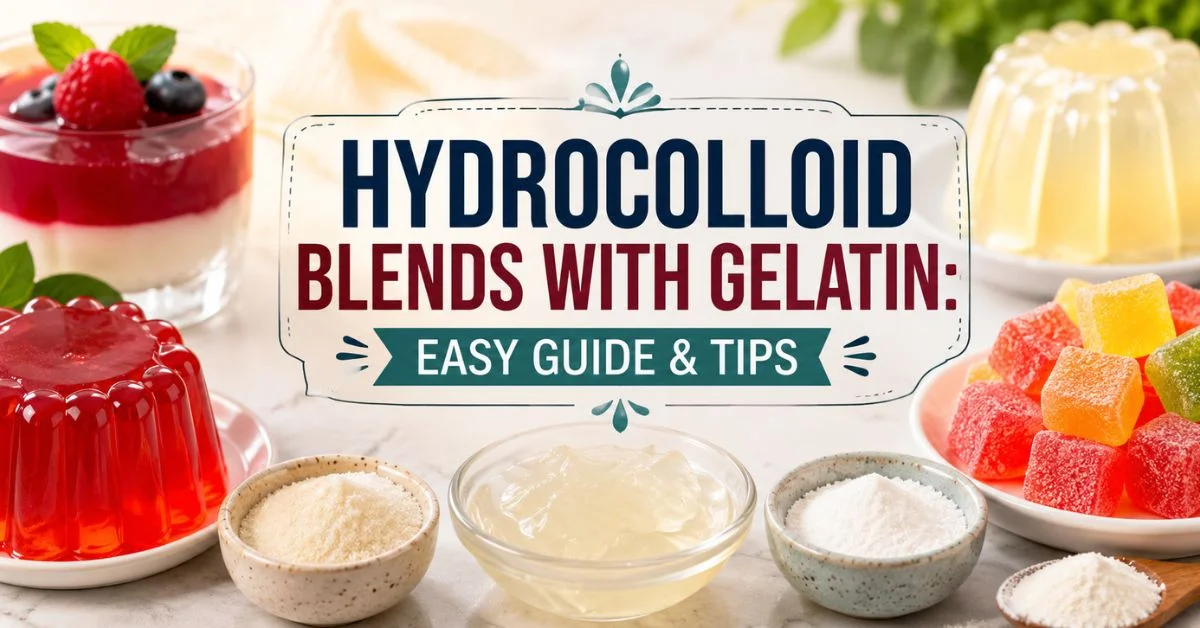
Hydrocolloid Blends with Gelatin: Easy Guide & Tips
Hydrocolloid blends with gelatin are becoming a popular tool in modern cooking and food science. These blends help improve texture, stability, thickness, and overall consistency in many foods. While gelatin alone is widely used in desserts, candies, marshmallows, and gummies, combining it with hydrocolloids can create even better results.
Hydrocolloids are ingredients that interact with water to form gels or thicken liquids. When mixed with gelatin, they can change the firmness, stretch, creaminess, or melting behavior of food. This allows chefs, bakers, and home cooks to create textures that are smoother, stronger, softer, or more heat-stable depending on the recipe.
Many people use hydrocolloid blends with gelatin to improve gummy candies, mousses, dairy desserts, sauces, and frozen treats. Some blends also help foods keep their shape longer or prevent liquids from separating. Beyond cooking, these combinations are also used in medical and food manufacturing applications because of their excellent moisture and texture control.
In this guide, you’ll learn how hydrocolloid blends with gelatin work, why they are useful, and which combinations perform best for different recipes. Whether you want softer gummies, firmer desserts, or more stable food textures, understanding these blends can help you achieve better and more consistent results in the kitchen.
What Are Hydrocolloid Blends with Gelatin?
Hydrocolloid blends with gelatin are mixtures of gelatin and other gelling or thickening ingredients that work together to improve food texture, stability, and consistency. These blends are widely used in cooking, baking, candy making, and modern food production because they allow better control over how food feels and behaves.
Gelatin is a natural protein made from collagen, usually sourced from animal products. When mixed with warm water and cooled, it forms a soft and flexible gel. This is why gelatin is commonly used in foods like jelly desserts, marshmallows, gummy candies, mousses, and cheesecakes. It creates a smooth texture and gives foods their soft, melt-in-the-mouth feel.
Hydrocolloids are ingredients that thicken liquids or create gels when combined with water. Each hydrocolloid has different properties, which means it can change the firmness, stretchiness, creaminess, or stability of a recipe. When combined with gelatin, these ingredients can produce textures that are difficult to achieve with gelatin alone.
For example, some blends make gummies chewier, while others help desserts stay firm at warmer temperatures. Certain combinations also improve shelf life, reduce separation, and create smoother textures in sauces or dairy products. This makes hydrocolloid blends with gelatin useful for both home cooking and professional food preparation.
Popular Hydrocolloids Used with Gelatin
Agar-Agar
Agar-agar is made from red seaweed and is known for creating firm and heat-stable gels. It is often blended with gelatin to make desserts or candies that hold their shape better, especially in warm conditions.
Pectin
Pectin is commonly found in fruits and is widely used in jams and jellies. When mixed with gelatin, it helps create soft, smooth, and fruit-friendly textures with better consistency.
Xanthan Gum
Xanthan gum is a powerful thickener often used in gluten-free recipes, sauces, and dressings. In gelatin blends, it can improve smoothness and prevent ingredients from separating.
Gellan Gum
Gellan gum is popular in modern cooking because it forms clear and stable gels even in small amounts. Combined with gelatin, it can create silky textures and more controlled firmness in desserts and specialty foods.
Understanding how these ingredients work together can help you choose the right blend for your recipe. Different combinations produce different textures, allowing you to customize foods exactly the way you want.
Types of Hydrocolloids Used with Gelatin
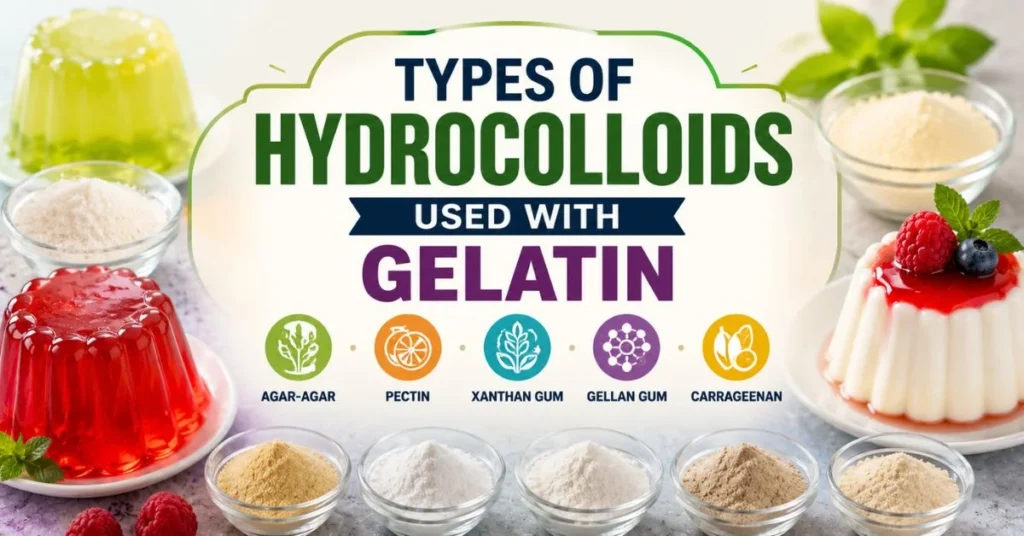
Hydrocolloids are important ingredients in modern food preparation because they help control texture, thickness, moisture, and stability. When combined with gelatin, they can improve the quality of desserts, candies, sauces, dairy products, and many other recipes. These blends allow cooks and food manufacturers to create textures that are softer, firmer, smoother, or chewier depending on the desired result.
One of the biggest benefits of using hydrocolloids with gelatin is better texture control. Gelatin naturally creates a soft and flexible gel, but adding other hydrocolloids can strengthen the structure, improve heat resistance, and help foods hold their shape longer. Some blends also reduce water separation and improve shelf life.
Different hydrocolloids produce different effects, which makes them useful for a wide range of culinary applications. Understanding how each one works can help you choose the best option for your recipe.
How Hydrocolloids Improve Gelatin-Based Foods
Hydrocolloids support gelatin in several ways during food preparation:
- Improve texture and mouthfeel
- Increase gel strength and stability
- Help foods keep moisture longer
- Prevent liquids from separating
- Create smoother or chewier textures
- Improve performance in hot or cold conditions
These advantages are especially useful in candies, jelly desserts, frozen foods, sauces, and bakery fillings.
Common Hydrocolloid and Gelatin Blends
Gelatin + Agar-Agar
This combination creates a firmer and more stable texture than gelatin alone. Agar-agar helps foods stay solid even at warmer temperatures, making this blend useful for firm desserts, molded treats, and gummy-style candies.
Gelatin + Pectin
Pectin and gelatin work well together in fruit-based recipes. This blend creates a smooth and slightly soft gel that is perfect for jams, fruit snacks, jellies, and dessert fillings. It also improves consistency and spreadability.
Gelatin + Xanthan Gum
Xanthan gum adds elasticity and thickness to gelatin mixtures. This combination is often used for chewy candies, marshmallows, and soft confectionery products because it improves texture and prevents separation.
Gelatin + Gellan Gum
Gellan gum creates clean and stable gels with a silky texture. When blended with gelatin, it helps form smooth desserts and modern culinary creations with precise firmness and excellent stability.
Choosing the Right Blend for Your Recipe
The best hydrocolloid blend depends on the texture you want to achieve. If you need a firm gel, agar-agar may work best. For smooth fruit textures, pectin is a strong option. If you want chewy or stretchy results, xanthan gum can improve elasticity.
Experimenting with different hydrocolloid blends with gelatin can help you create unique textures and improve the overall quality of your recipes.
Hydrocolloids for Food: Why Blend Them with Gelatin?
Blending hydrocolloids with gelatin helps improve the texture, stability, and overall quality of food. While gelatin already creates a soft and flexible gel, adding other hydrocolloids gives cooks more control over firmness, smoothness, elasticity, and moisture retention. This is one reason why these blends are widely used in professional kitchens, food manufacturing, and modern cooking techniques.
Different foods require different textures. Some desserts need to be soft and creamy, while gummies and candies require a firmer or chewier bite. By combining gelatin with hydrocolloids, it becomes easier to customize the final texture without changing the flavor of the recipe.
How Hydrocolloid Blends Change Texture and Firmness
Hydrocolloids affect the way gelatin behaves when it forms a gel. Certain ingredients strengthen the gel structure, while others soften it or improve flexibility. This allows cooks to create textures that would be difficult to achieve using gelatin alone.
For example:
- Gelatin by itself creates a soft and delicate texture
- Agar-agar makes the gel firmer and more heat-stable
- Pectin creates a smoother and softer consistency
- Xanthan gum improves elasticity and chewiness
These combinations are especially useful in gummies, jelly desserts, marshmallows, bakery fillings, and dairy products where texture plays a major role in the eating experience.
Better Stability and Longer-Lasting Results
Another major benefit of hydrocolloid blends with gelatin is improved stability. Some recipes can melt, separate, or lose their shape over time. Hydrocolloids help strengthen the structure of gelatin-based foods so they stay stable for longer periods.
This is helpful for:
- Desserts served at room temperature
- Candies that need a chewy texture
- Sauces and fillings that should remain smooth
- Frozen foods that need moisture control
Because of this, many food professionals use hydrocolloid blends to create products with better shelf life and more reliable consistency.
Improving Consistency and Mouthfeel
Texture strongly affects how people experience flavor. A dessert that is too stiff or too watery may not feel enjoyable, even if the taste is good. Hydrocolloids help gelatin create a balanced texture that feels smooth, creamy, chewy, or light depending on the recipe.
For example, pectin can soften gelatin gels for fruit spreads, while xanthan gum can stop ingredients from separating in creamy mixtures. These improvements make foods feel more polished and enjoyable to eat.
Useful in Modern and Everyday Cooking
Hydrocolloid blends with gelatin are not only used in advanced culinary techniques. Home cooks also use them to improve homemade gummies, puddings, cheesecakes, mousses, and sauces. With the right combination, it becomes easier to achieve professional-quality texture and consistency in everyday recipes.
Understanding how these ingredients work together can help you create foods that look better, feel better, and stay stable longer.
Popular Hydrocolloid Blends with Gelatin
Different hydrocolloids create different textures when combined with gelatin. Some blends produce firm and stable gels, while others create soft, chewy, or smooth textures. Choosing the right combination depends on the type of food you want to make and the final consistency you need.
Gelatin and Agar-Agar Blends
Gelatin and agar-agar are one of the most common hydrocolloid combinations used in modern cooking. Agar-agar comes from red seaweed and forms strong, heat-stable gels. When blended with gelatin, it creates a firmer texture while still keeping some flexibility.
This blend works well for:
- Firm jelly desserts
- Homemade gummies
- Layered desserts
- Molded treats
- Heat-resistant gels
Agar also helps foods hold their shape better at room temperature, which makes this blend useful in warmer environments.
Gelatin and Pectin Blends
Pectin is naturally found in fruits and is widely used in jams, jellies, and fruit fillings. When mixed with gelatin, it creates a soft and smooth texture that feels pleasant and light.
This combination is commonly used for:
- Fruit snacks
- Jelly candies
- Jam-style desserts
- Fruit glazes
- Soft confectionery recipes
Pectin can also improve moisture retention and help fruit-based recipes maintain a more natural texture.
Gelatin and Xanthan Gum Blends
Xanthan gum is known for improving thickness and elasticity. When blended with gelatin, it creates a chewy and stretchy texture that works especially well in candies and marshmallows.
This blend is useful for:
- Chewy gummy candies
- Marshmallows
- Gluten-free desserts
- Thick dessert fillings
- Soft snack products
Xanthan gum also helps prevent ingredients from separating, which improves consistency in many recipes.
Gelatin and Gellan Gum Blends
Gellan gum is often used in modern gastronomy because it creates smooth and clean gels with excellent stability. Combined with gelatin, it produces silky textures with precise firmness.
This blend is ideal for:
- Modern plated desserts
- Clear gels
- Dairy products
- Specialty sauces
- Professional culinary applications
Because gellan gum works in very small amounts, it allows chefs to carefully control texture without making foods overly thick.
Hydrocolloids in Food Applications
Hydrocolloids are used in many everyday foods because they improve texture, stability, and moisture control. They help foods maintain their shape, feel smoother, and stay fresh longer.
Common Uses of Hydrocolloids in Recipes
Hydrocolloids are found in both homemade and commercial foods, including:
- Jellies and jams
- Ice cream and frozen desserts
- Sauces and gravies
- Salad dressings
- Gummies and candies
- Dairy desserts
- Bakery fillings
- Gluten-free foods
They are especially helpful when recipes need a specific texture or longer shelf life.
Why Hydrocolloids Are Popular in Modern Cooking
Modern cooking focuses heavily on texture and presentation. Hydrocolloids allow chefs and home cooks to control firmness, smoothness, creaminess, and elasticity with great precision.
They are also popular because they support different dietary needs. Some hydrocolloids are plant-based, making them useful in vegan and vegetarian recipes where traditional gelatin may not be suitable.
In addition, hydrocolloids help create more stable foods that perform better during storage, freezing, or heating.
Hydrocolloid Blends for Healing Applications
Hydrocolloids are not only used in food. They also play an important role in medical and healthcare products, especially wound care treatments.
How Hydrocolloids and Gelatin Are Used in Wound Dressings
Hydrocolloid dressings are designed to keep wounds moist while protecting them from outside contamination. These dressings form a soft gel layer over the skin, creating a better environment for healing.
Gelatin is sometimes added because it supports moisture balance and may assist tissue repair. Together, hydrocolloids and gelatin can help improve comfort and healing support in certain medical products.
Benefits of Hydrocolloid Dressings
Hydrocolloid wound dressings are commonly used for:
- Minor burns
- Pressure ulcers
- Surgical wounds
- Skin injuries
- Blisters
Some key benefits include:
- Better moisture control
- Reduced irritation
- Protection from bacteria
- Support for natural healing
- Comfortable coverage for sensitive skin
Their ability to absorb moisture while maintaining a protective barrier makes hydrocolloid-based dressings a widely used option in wound care.
Best Hydrocolloid Blends with Gelatin
Choosing the best hydrocolloid blends with gelatin depends on the texture, firmness, and consistency you want in your recipe. Different combinations create different results, which is why understanding each blend can help you achieve better food texture and stability.
Some blends are perfect for firm desserts, while others work better for chewy candies, creamy fillings, or soft fruit gels. The right balance can improve both the appearance and mouthfeel of your recipe.
Best Blends for Firm and Stable Textures
Gelatin + Agar-Agar
If you want a strong and firm gel, agar-agar is one of the best ingredients to combine with gelatin. This blend creates a texture that is more stable and less likely to melt at room temperature.
Best used for:
- Firm jelly desserts
- Layered sweets
- Molded treats
- Homemade gummies
- Heat-stable recipes
Agar adds structure, while gelatin keeps the texture from becoming too brittle.
Best Blends for Soft and Smooth Textures
Gelatin + Pectin
Pectin works especially well in fruit-based recipes because it creates a smooth and slightly soft consistency. When combined with gelatin, the result is a balanced texture that feels light and pleasant.
Best used for:
- Fruit jellies
- Jam-style desserts
- Fruit candies
- Dessert fillings
- Soft confections
This blend is ideal when you want flexibility without making the gel too firm.
Best Blends for Chewy and Elastic Textures
Gelatin + Xanthan Gum
Xanthan gum improves elasticity and chewiness when mixed with gelatin. It also helps stabilize mixtures and improves consistency.
Best used for:
- Chewy gummy candies
- Marshmallows
- Soft snack products
- Gluten-free sweets
- Thick dessert mixtures
This blend creates a stretchy texture that works well in candy-making and confectionery recipes.
How to Create the Perfect Hydrocolloid Blend with Gelatin
Creating the right blend starts with understanding the final texture you want. Small adjustments in hydrocolloid amounts can completely change the result, so testing different combinations is often helpful.
Tips for Better Results
- Use agar-agar when you need firmness and heat resistance
- Use pectin for soft and fruit-friendly textures
- Use xanthan gum for chewiness and elasticity
- Start with small amounts of hydrocolloids because they are powerful ingredients
- Mix ingredients evenly to avoid lumps or uneven texture
- Follow proper heating and cooling methods for each hydrocolloid
Matching the Blend to the Recipe
Different recipes require different textures:
| Desired Texture | Recommended Blend |
|---|---|
| Firm and stable | Gelatin + Agar-Agar |
| Soft and smooth | Gelatin + Pectin |
| Chewy and stretchy | Gelatin + Xanthan Gum |
| Silky and clean gel | Gelatin + Gellan Gum |
Experimenting with hydrocolloid blends with gelatin can help you create professional-quality desserts, candies, sauces, and specialty foods with more control and consistency.
How to Make Hydrogel from Gelatin?
Gelatin hydrogel is a soft, water-rich material made by combining gelatin with liquid. It forms a flexible gel that can hold moisture for long periods, which makes it useful in both food preparation and medical applications. Gelatin hydrogels are valued for their smooth texture, water retention, and ability to create stable gel structures.
In cooking, gelatin hydrogel can improve texture and softness in desserts and specialty foods. In healthcare applications, similar hydrogel materials are used to support moisture balance and wound protection.
The Basic Process of Making Gelatin Hydrogel
Creating a simple gelatin hydrogel is easy and requires only a few ingredients. The process works by allowing gelatin proteins to absorb water and form a three-dimensional gel network as the mixture cools.
Basic Ingredients
You typically need:
- Gelatin powder or sheets
- Warm water
- Optional glycerin for added flexibility and moisture retention
Simple Step-by-Step Method
1. Heat the Water
Warm the water gently until it is hot but not boiling. High heat can weaken gelatin and affect the final texture.
2. Dissolve the Gelatin
Slowly add gelatin to the warm water while stirring continuously. This helps prevent lumps and ensures a smooth mixture.
3. Add Optional Ingredients
Some recipes include glycerin or hydrocolloids to improve flexibility, softness, or moisture retention.
4. Cool the Mixture
Once fully mixed, allow the liquid to cool. As the temperature drops, the gelatin begins forming a gel structure.
5. Let the Hydrogel Set
Place the mixture in a container or mold and refrigerate until fully set. The final texture can range from soft and flexible to firm depending on the gelatin concentration.
How Gelatin Hydrogel Is Used
Gelatin hydrogel has many practical uses because of its ability to hold water and create a smooth gel texture.
Food Applications
In food preparation, gelatin hydrogels are used to:
- Improve moisture retention
- Create soft dessert textures
- Stabilize fillings and creams
- Produce smooth jelly products
- Support modern culinary techniques
These gels help foods stay soft and fresh while improving texture consistency.
Healing and Medical Applications
Hydrogel materials are also widely used in wound care and medical products. Their moisture-rich structure creates a protective environment that can support healing.
Benefits may include:
- Maintaining moisture around wounds
- Helping reduce dryness
- Supporting tissue protection
- Improving comfort during healing
Because gelatin is flexible and water-absorbing, it is commonly studied and used in hydrogel-based medical materials.
Why Gelatin Hydrogel Is Popular
Gelatin hydrogels are popular because they are:
- Easy to prepare
- Flexible in texture
- Good at retaining moisture
- Useful in both food and healthcare settings
- Compatible with many hydrocolloid blends
By adjusting the ingredients and ratios, you can create hydrogels with different textures and strengths for a wide range of applications.
FAQs
1. What are hydrocolloid blends with gelatin used for?
Hydrocolloid blends with gelatin are used to improve texture, stability, and consistency in food. They help create firmer, smoother, or chewier gels depending on the ingredients used. These blends are common in desserts, gummies, jams, sauces, and modern culinary recipes. They are also used in food science to control moisture and structure.
2. How do hydrocolloids work with gelatin in food recipes?
Hydrocolloids work by binding with water and forming a gel structure along with gelatin. This combination changes the texture of the final product, making it more stable or elastic. Depending on the hydrocolloid used, the gel can become firmer, softer, or more flexible. This allows better control over food consistency.
3. What is the best hydrocolloid to mix with gelatin for gummies?
For gummies, agar-agar and xanthan gum are commonly used with gelatin. Agar-agar helps create a firmer and more stable chew, while xanthan gum improves elasticity. Together with gelatin, they produce a balanced chewy texture. This makes gummies more structured and long-lasting.
4. Can hydrocolloid blends with gelatin improve food texture?
Yes, hydrocolloid blends significantly improve food texture by adjusting firmness and smoothness. Gelatin alone creates a soft gel, but hydrocolloids refine that structure. Some blends make foods chewier, while others make them smoother or more stable. This is especially useful in desserts and confectionery.
5. Why is gelatin combined with hydrocolloids like agar or pectin?
Gelatin is combined with hydrocolloids like agar and pectin to achieve different textures and improve stability. Agar creates firmer gels that hold shape well, while pectin produces softer fruit-based textures. These combinations help customize recipes for specific results. They also improve consistency and shelf life.
6. Are hydrocolloid blends with gelatin used in professional cooking?
Yes, professional chefs widely use hydrocolloid blends with gelatin in modern cuisine. These ingredients help create precise textures in desserts, sauces, and plated dishes. They are especially important in molecular gastronomy where texture control is essential. This allows chefs to design unique and innovative dishes.
7. How do you choose the right hydrocolloid blend with gelatin?
Choosing the right blend depends on the texture you want to achieve. Agar is best for firm gels, pectin for soft fruit textures, and xanthan gum for chewy elasticity. Testing small amounts helps you find the perfect balance. Each combination creates a different food experience.
Conclusion
Hydrocolloid blends with gelatin offer a powerful way to improve texture, stability, and consistency in many foods. Throughout this guide, we explored how ingredients like agar-agar, pectin, and xanthan gum work with gelatin to create everything from firm gummies to soft jellies and chewy candies. These combinations give you better control over how your recipes look, feel, and hold together.
The key takeaway is simple: the right blend can completely transform your results in the kitchen. Whether you are a beginner or an experienced cook, experimenting with hydrocolloid blends with gelatin can help you achieve more professional and reliable textures. Try small adjustments in your recipes and discover what works best for your needs.
Related Articles You May Like: My Mix Recipes